

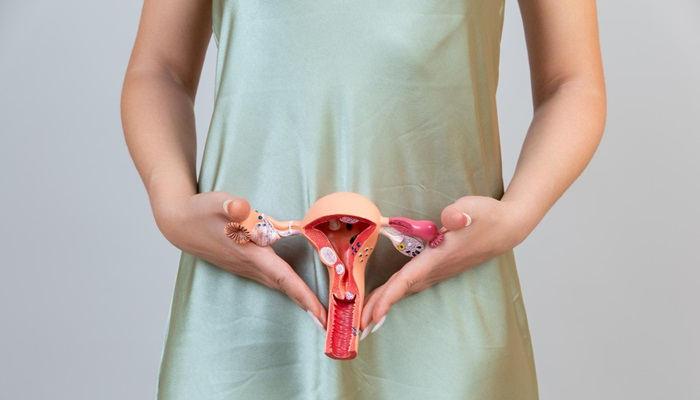
Introduction
Vaginal health is an important aspect of overall well-being for women. It changes naturally throughout different stages of life, including adolescence, reproductive years, pregnancy, and menopause. Maintaining vaginal health through proper hygiene, nutrition, and lifestyle habits can prevent infections, discomfort, and other complications.
Adolescence and Puberty
During puberty, hormonal changes increase vaginal secretions and alter pH levels. Maintaining cleanliness, wearing breathable cotton underwear, and avoiding harsh soaps help prevent irritation and infections. Education about menstrual hygiene is also essential during this stage.
Reproductive Years
Women in their reproductive years may experience variations in vaginal health due to menstrual cycles, sexual activity, or contraception. Practicing safe sex, using water-based lubricants, and maintaining regular hygiene routines can help prevent bacterial or yeast infections.
Pregnancy
Pregnancy causes hormonal changes that can affect vaginal health. Increased vaginal discharge and sensitivity are common. Wearing breathable clothing, changing sanitary products regularly, and attending prenatal checkups help maintain vaginal hygiene and prevent infections during pregnancy.

Menopause
Menopause brings a decrease in estrogen levels, which can lead to dryness, thinning of vaginal walls, and increased risk of infections. Using moisturizers, staying sexually active, and following a balanced diet rich in phytoestrogens can improve vaginal comfort and health.
Avoiding Harmful Products
Using scented soaps, douches, or harsh chemicals can disrupt the natural vaginal pH and lead to irritation. Women should avoid these products and stick to mild, unscented cleansers.
Maintaining Healthy Lifestyle Habits
A balanced diet, regular exercise, proper hydration, and stress management support vaginal health. Healthy habits also strengthen the immune system, reducing the risk of infections.
Regular Medical Checkups
Routine gynecological exams help detect changes in vaginal health early. Pap smears, STI screenings, and pelvic exams are important for maintaining reproductive and overall health.
Managing Symptoms Promptly
Any unusual symptoms such as itching, burning, unusual discharge, or odor should be addressed promptly with a healthcare professional. Early intervention prevents complications and maintains comfort.
Conclusion
Maintaining vaginal health requires attention to hygiene, lifestyle, and regular medical checkups throughout life. Each stage—adolescence, reproductive years, pregnancy, and menopause—presents unique challenges. Awareness and preventive care ensure long-term vaginal health and overall well-being.