

Introduction
Tooth decay is not only a childhood problem; it is very common among adults as well. Early tooth decay often develops slowly and may not cause pain at first, which makes it easy to ignore. Recognizing the early signs of tooth decay helps prevent serious dental problems such as cavities, infections, and tooth loss.
Understanding Tooth Decay
Tooth decay occurs when bacteria in the mouth produce acids that damage tooth enamel. This process starts when plaque builds up on teeth due to poor oral hygiene and high sugar intake. If untreated, the decay can progress deeper into the tooth, affecting dentin and nerves.
Tooth Sensitivity
One of the earliest signs of tooth decay is increased sensitivity. Adults may feel discomfort when consuming hot, cold, sweet, or acidic foods and drinks. This sensitivity occurs when enamel starts to weaken, exposing the inner layers of the tooth.
Visible Spots or Discoloration
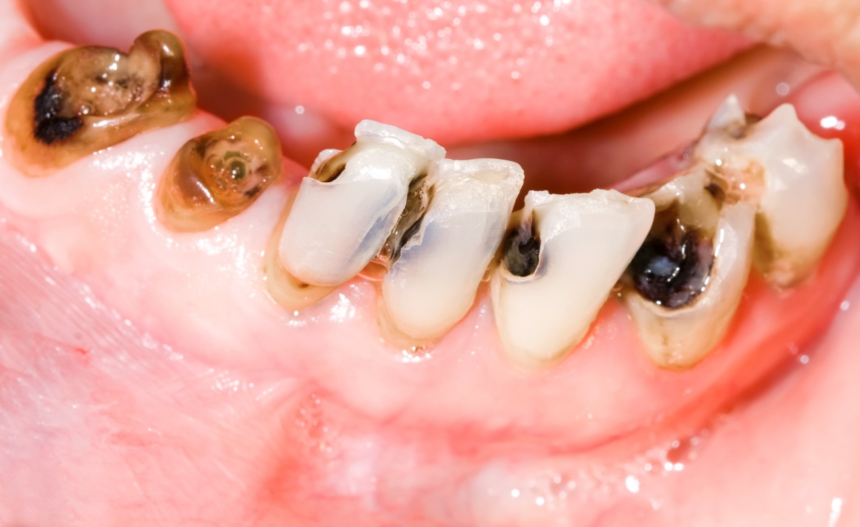
White, brown, or black spots on the surface of the teeth can indicate early decay. These spots appear as minerals are lost from the enamel. White spots are often the first visible sign and should not be ignored.
Related News
Persistent Bad Breath
Chronic bad breath or a bad taste in the mouth can be a sign of tooth decay. Bacteria that cause decay release unpleasant odors. If bad breath persists even after brushing, it may indicate underlying dental issues.
Mild Tooth Pain
Early tooth decay may cause occasional or mild tooth pain. This pain might come and go and is often triggered by eating or drinking. Even mild discomfort should be taken seriously to prevent further damage.
Rough or Pitted Tooth Surface
As decay progresses, the tooth surface may feel rough or uneven. Small pits or holes can develop, making it easier for food particles and bacteria to get trapped, which accelerates the decay process.
Swollen or Bleeding Gums
Tooth decay near the gum line can irritate the gums, causing swelling or bleeding. This is often mistaken for gum disease, but decay-related irritation also needs dental attention.
Importance of Early Treatment
Treating tooth decay in its early stage can stop further damage. Fluoride treatments, improved oral hygiene, and dietary changes can help restore enamel strength and prevent cavities from forming.
Prevention Tips
Regular brushing, flossing, reducing sugary foods, and routine dental visits are essential for preventing tooth decay. Using fluoride toothpaste and drinking water after meals also helps protect teeth.
Conclusion
Early tooth decay in adults often shows subtle signs that are easy to overlook. Tooth sensitivity, discoloration, bad breath, and mild pain are common warning signs. Identifying these symptoms early and maintaining proper dental care can protect teeth and ensure long-term oral health.